What Should I Expect During Cataract Surgery Recovery?
Posted by: Pepose Vision Institute in Cataracts on December 5, 2025
Cataract surgery is one of the most common and successful procedures performed today. It is straightforward, safe, and can restore vision in those experiencing the many bothersome symptoms associated with cataracts.
One of the most frequently asked questions about cataract surgery has to do with recovery. Learning what to expect during recovery can help you feel more prepared and confident as you move forward with treatment.
The First Few Hours
Immediately following your cataract surgery, you’ll spend some time in a recovery area where our team will monitor you. Don’t be surprised if your vision seems blurry or hazy at first, this is completely normal.
You may also notice that colors appear brighter than usual, which happens because the cloudy lens that was filtering your vision has been replaced with a clear artificial lens.
You’ll need someone to drive you home after the procedure, as your vision won’t be clear enough for you to drive safely. Many patients feel ready to rest once they get home, and that’s perfectly fine.
Your eye may feel slightly irritated, gritty, or sensitive to light. Some people describe a feeling of something being in their eye, even though nothing is there.
The First Week

The first week after cataract surgery is the most critical time for healing. You’ll need to use prescribed eye drops several times a day to prevent infection and reduce inflammation. It’s essential to follow the eye drop schedule exactly as directed, setting reminders on your phone can be helpful.
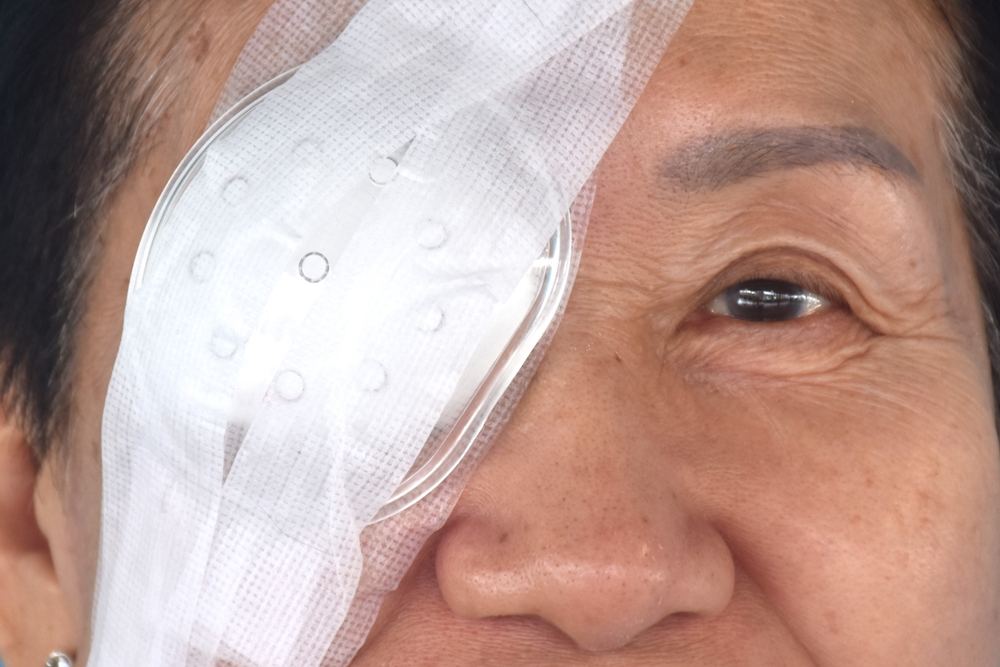
During this time, you should avoid rubbing or pressing on your eye, even if it feels itchy. Your doctor will provide you with a protective shield to wear while sleeping, which prevents you from accidentally rubbing your eye during the night. Most patients wear this shield for at least the first week.
Your vision will continue to improve gradually during this period. Some days may be better than others, and this fluctuation is normal as your eye adjusts to the new lens.
You might experience some light sensitivity, mild discomfort, or the feeling that your eye is slightly scratchy. These symptoms typically decrease as the days go by.
The First Two Weeks
As you move into the second week, you should notice continued improvement in your vision. Many of the initial symptoms like grittiness and light sensitivity will start to go away.
You’ll likely still be using your prescription eye drops, and it’s important to continue them for the full course prescribed by your doctor, usually around three to four weeks total.
During this time, you can gradually return to more normal activities. Most patients feel comfortable returning to work within a few days to a week, depending on the nature of their job. If your work involves heavy lifting, exposure to dust or chemicals, or strenuous physical activity, you may need to wait a bit longer or arrange modified duties.
You can start incorporating light exercise back into your routine, but continue to avoid swimming, hot tubs, and any activities that could result in something hitting your eye. This is still a critical healing period, so protect your eye and follow your doctor’s specific guidance about when to resume various activities.
The First Month

By the end of the first month, most patients have experienced substantial healing. Your vision should be significantly clearer, and many of the post-surgery symptoms will have resolved. You’ll likely have completed your course of prescription eye drops, though your doctor will confirm this at your follow-up appointment.
At this stage, you can typically resume all normal activities, including swimming, exercising, and any activities you avoided during the initial recovery period. However, it’s important to wait for confirmation from your eye doctor first that it’s safe to do so.
Your eye may still be adjusting to the new intraocular lens, so minor fluctuations in vision can still occur. Some patients notice that their vision is better at certain times of the day, and this is normal as your eye continues to adapt. If you had significant refractive error before surgery, your brain is also adapting to seeing clearly, which can take some time.
The Following Months
Between one and three months after surgery, your vision will reach full stability. This is when your vision prescription will be at its final state, and if you need glasses for certain activities like reading or night driving, this is typically when they’ll be prescribed.
You’ll continue to have regular eye exams to monitor your overall eye health, just as you would have before your cataract surgery. These ongoing check-ups help ensure that your eyes remain healthy and that you’re seeing as well as possible.
What You Can and Can’t Do During Recovery
For the first week after surgery, there are some important restrictions to follow. You can perform most normal daily activities, including watching television, reading, and using your computer or phone in moderation.

However, you should avoid:
Heavy lifting or strenuous exercise for at least a week. Light walking is fine, but save the gym workouts and yard work for later. You also want to avoid bending over at the waist, as this can increase pressure in your eyes.
Swimming and hot tubs should be avoided for at least four weeks. Water, especially in pools, lakes, or hot tubs, can introduce bacteria that may lead to infection. You can shower and wash your hair, but try to keep water out of your eye.
Dusty or dirty environments should also be avoided when possible. If you need to be outside on a windy day, wearing sunglasses can help protect your eyes.
How to Know if Something is Wrong
While complications from cataract surgery are rare, it’s important to know the warning signs that require immediate attention. Contact your eye doctor right away if you experience:
- Sudden vision loss or a significant decrease in vision that doesn’t improve
- Severe pain that doesn’t respond to over-the-counter pain medication
- Increasing redness in your eye
- Flashes of light or a sudden increase in floaters
- A curtain or a shadow coming across your vision
These symptoms could indicate complications such as infection, inflammation, or retinal detachment, all of which need prompt treatment.
If you have questions about cataract surgery recovery, schedule an appointment at Pepose Vision Institute in St. Louis, MO, today!