Do Laser Vision Correction Results Last Forever?
Posted by: Pepose Vision Institute in LASIK on May 1, 2026

For most patients, the decision to pursue laser vision correction comes down to one thing: the desire to stop depending on glasses or contacts for good.
Laser vision correction procedures permanently reshape the cornea, and that change doesn’t reverse. What does continue to evolve is the eye itself, shaped by the natural aging process. This is a key distinction. Keep reading to learn what to expect long after having refractive surgery like LASIK.
How Laser Vision Correction Works
Before getting into longevity, it helps to understand what laser vision correction actually does, and why that matters when thinking about how long results last.
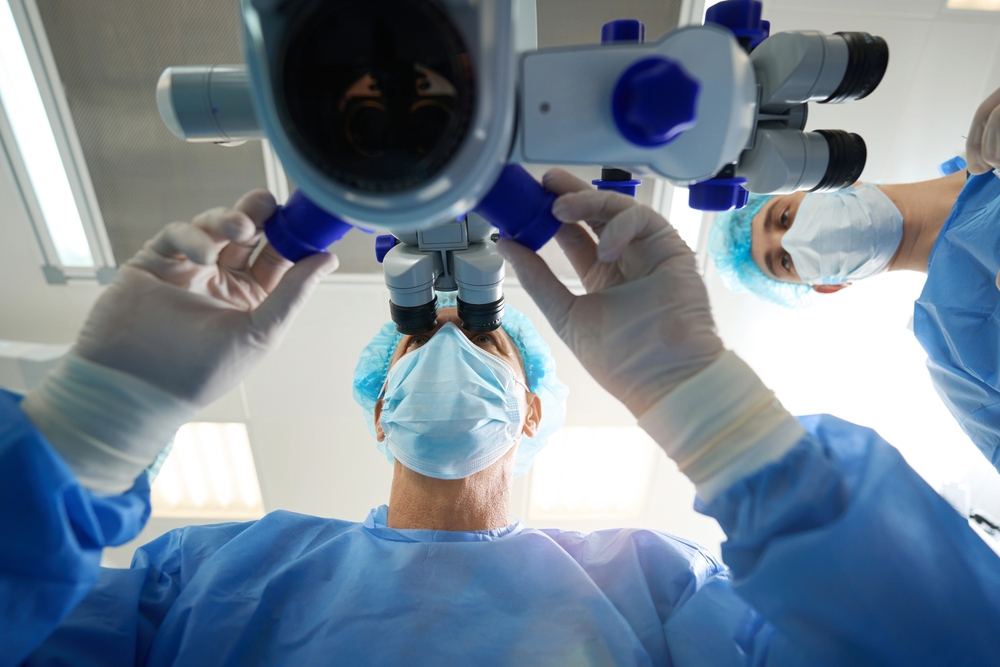
The cornea is the clear, dome-shaped surface at the front of your eye. When light enters the eye, the cornea is responsible for bending it so it lands precisely on the retina at the back. In eyes with nearsightedness, farsightedness, or astigmatism, the cornea’s shape causes light to focus in the wrong spot, which is why vision appears blurry.
Laser vision correction in St. Louis addresses this by using a highly precise laser to remove a tiny amount of corneal tissue and reshape the surface. Once the cornea has the right curvature, light focuses correctly, and vision becomes clear. The entire procedure takes only a few minutes per eye, and many patients notice a dramatic improvement the very same day.
At Pepose Vision Institute, this process begins with a thorough preoperative exam that generates thousands of data points about your unique corneal anatomy. The iFS laser system and wavefront analyzer technology used by the Pepose Vision team allow for a level of precision that simply wasn’t available in earlier generations of laser correction.
Why the Results Are Considered Permanent
The tissue removed during laser vision correction does not grow back. The reshaping of the cornea is a physical, lasting change, not something that fades or reverses over time, like the way a medication might wear off. For the vast majority of patients, the correction achieved on the day of surgery remains stable for many years, often decades.
Pepose Vision Institute has performed over 30,000 LASIK procedures and has been offering laser vision correction options in the St. Louis area for more than 25 years. That depth of experience means the team has followed patients through the full arc of their post-procedure lives and has seen firsthand how well results hold up over time.
What Can Affect Your Results Over Time
The corneal correction itself is stable, but the eye is a living structure that continues to change as the body ages. Several factors can cause vision to shift in the years after laser correction, and none of them mean the procedure has failed.
Presbyopia
Around age 40, most people begin to notice that reading small print is harder than it used to be. Menus, phone screens, and fine text start to require a little more squinting. This is presbyopia, and it happens to everyone eventually, regardless of whether they’ve had laser vision correction or not.

Presbyopia is not a change in the cornea. It’s caused by the natural lens inside the eye gradually losing its flexibility.
When you’re young, that lens adjusts easily between near and distance focus. With age, it stiffens and loses that range. Laser correction reshapes the cornea but does not change the internal lens, so presbyopia will develop on its own schedule no matter what.
Patients who had laser correction in their 20s or 30s and find themselves reaching for reading glasses in their 40s sometimes assume the procedure has worn off. In most cases, that’s not what’s happening. Instead, the eyes are going through a natural change that happens with age.
Prescription Regression
In a small percentage of patients, the eye’s refractive error gradually creeps back over time, a process called regression. This is more common in people who had a strong prescription before surgery and tends to be gradual rather than sudden. It can result in mild blurring of distance vision years after an otherwise successful procedure.
Regression doesn’t mean the original correction was done incorrectly. It reflects the eye’s continued biological changes. When regression does occur, many patients are candidates for a simple enhancement procedure to restore sharpness.
Cataracts and Other Age-Related Eye Conditions
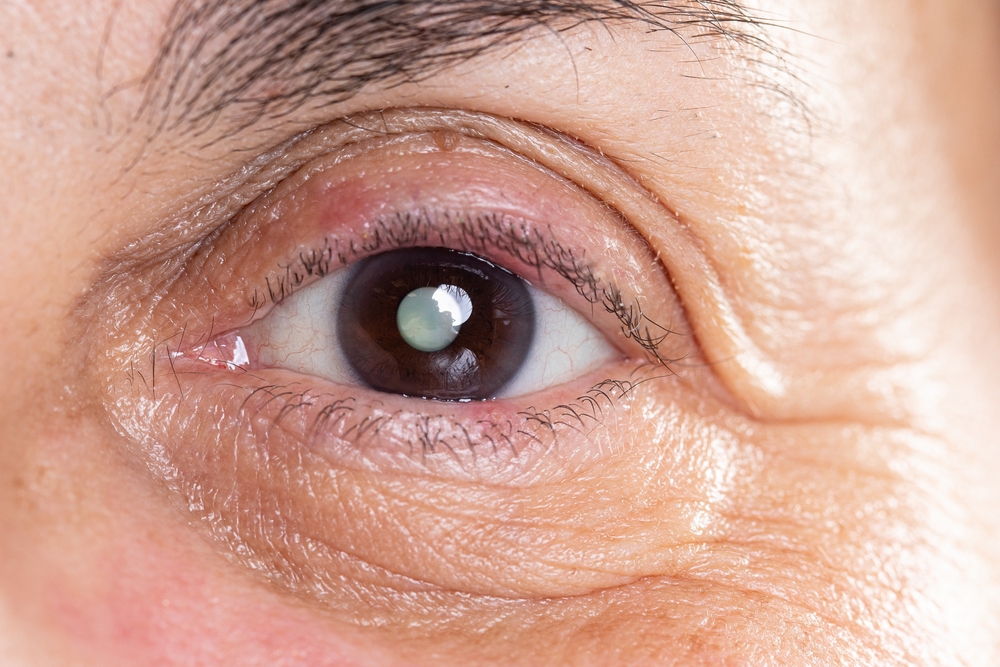
Laser vision correction has no effect on the natural lens inside the eye, which means it doesn’t prevent or accelerate cataracts. Cataracts are a clouding of the internal lens that affects most people to some degree as they get older. When a cataract develops, it can make vision hazy or dim regardless of how well the cornea is shaped.
Other age-related conditions, including glaucoma, macular degeneration, and diabetic eye disease, can also affect vision quality over time. None of these are caused by laser correction, but they’re all reasons why ongoing eye care remains important even after a successful procedure. Because Pepose Vision Institute delivers comprehensive eye care under one roof, patients have access to monitoring and treatment for these conditions without needing to see multiple providers.
How to Protect Your Vision Long Term
Laser vision correction delivers results that stand the test of time for most patients, but good long-term outcomes don’t happen without continued attention to eye health. Annual comprehensive eye exams allow the care team to catch any prescription changes early, monitor for age-related conditions, and recommend adjustments before vision problems become disruptive.
Pepose Vision Institute combines nationally recognized expertise with a patient-first philosophy, meaning care doesn’t stop when the procedure is over. Surgeons here are ranked among America’s Top Doctors, and the practice serves patients from across Missouri, Illinois, Arkansas, and beyond.
Knowing that a trusted team is monitoring your vision over the long haul is one of the most valuable aspects of choosing Pepose Vision Institute as a lifetime eye care partner.
Have questions about how your laser vision correction results will hold up over time? Schedule an appointment at Pepose Vision Institute in St. Louis, MO.