Can You Fly After Retinal Laser Surgery?
Posted by: Pepose Vision Institute in Uncategorized on January 2, 2026
If you’ve recently had retinal laser surgery or are planning to have the procedure, you might be wondering about your upcoming travel plans.
Many patients ask this same question, especially when they have work trips, family visits, or vacations already scheduled. Flying after retinal laser surgery is often possible, but the timing depends on several important factors.
Keep reading to learn everything you need to know about flying safely after retinal laser surgery, including timelines, safety tips, and what to watch for during your recovery.
Recovery After Retinal Surgery
Healing from retinal surgery requires patience and careful attention to your doctor’s instructions.
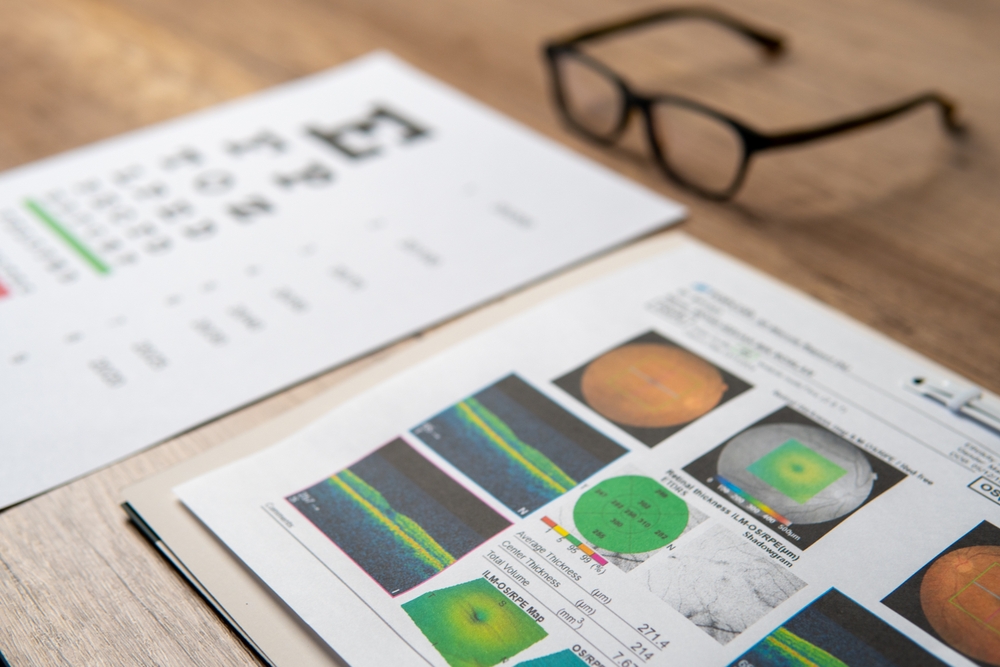
Your retina is a delicate layer of tissue at the back of your eye that’s responsible for your vision, so proper healing is essential for the best possible outcome.
During the first few weeks after surgery, your eye needs time to recover and stabilize. This means following several important restrictions that might feel limiting but are necessary for successful healing.
After retinal surgery, you will likely need to avoid heavy lifting, bending over, and straining. You might also need to avoid activities that could jar your eye or increase pressure inside it, such as vigorous exercise or certain types of work.
Your eye doctor will provide specific guidelines based on your procedure, but rest and following restrictions are always part of the healing process. This is why planning for recovery time and understanding travel limitations is so important before having retinal surgery.
How Does Air Travel Affect Your Eyes After Surgery?
When you fly, several factors can impact your healing eyes.
The cabin pressure in airplanes is different from what you experience on the ground, even though the cabin is pressurized for passenger comfort. These pressure changes are usually mild, but they can affect your eyes while they’re still healing from surgery.
Altitude changes during takeoff and landing create the most noticeable pressure differences. Your ears might “pop” during these times, and similar pressure changes occur throughout your body, including your eyes.
For most retinal laser procedures, these changes don’t cause problems once initial healing has occurred. However, if you’ve had surgery involving gas bubbles or other special considerations, air pressure changes require more careful timing.
General Guidelines for Flying After Retinal Surgery
For most laser treatments, such as photocoagulation, you might be able to fly within a week of your procedure. Your eye doctor will examine your eye and confirm that initial healing is progressing well before clearing you for air travel. The exact timing depends on how your eye responds to treatment and whether you experience any complications.
Simple laser treatments for conditions like small retinal tears or diabetic retinopathy usually have shorter recovery periods for air travel. These procedures create controlled healing without major changes to the structure inside your eye. Your doctor can often clear you for flying relatively quickly once they see that the treatment area is healing properly.
More complex surgeries, such as vitrectomy procedures, where your doctor removes fluid or scar tissue from inside your eye, require longer recovery periods before flying. These surgeries sometimes involve placing gas or oil bubbles inside your eye to help with healing, which significantly affects when you can safely travel by air.
Everyone heals at a different pace, and your doctor will consider your individual situation when giving travel clearance.
Safety Tips for Your Flight
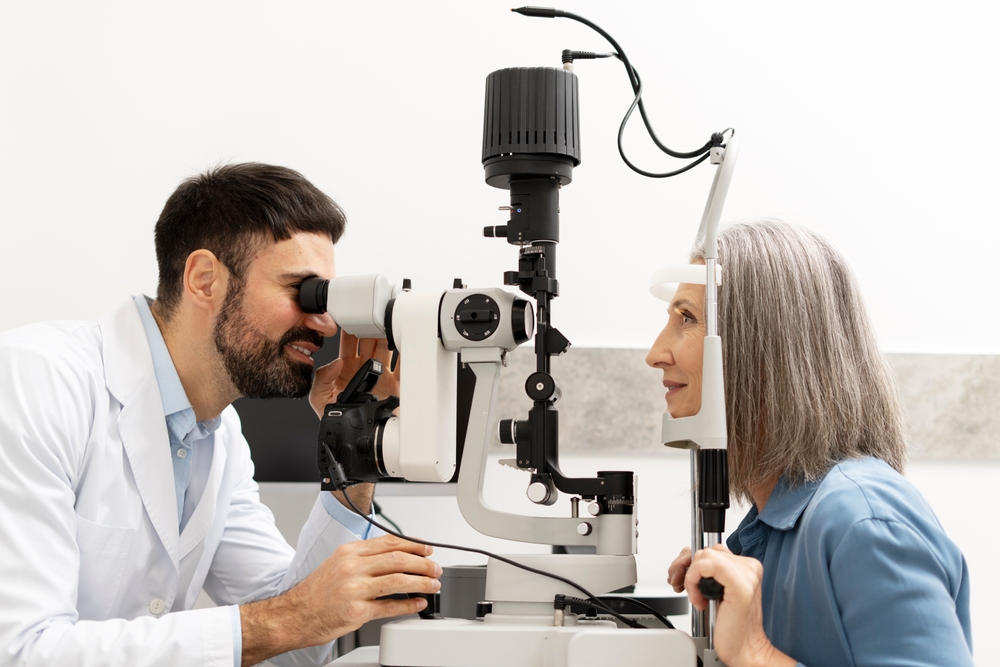
Always get clearance from your eye doctor before booking any flights after retinal surgery. Even if you feel fine, your doctor needs to examine your eye and confirm that it’s safe for you to travel. This examination is quick but important for preventing complications.
During your flight, use preservative-free artificial tears to keep your eyes comfortable in the dry cabin air. Bring extra bottles in case your flight is delayed or longer than expected. Avoid rubbing your eyes, even if they feel dry or itchy, as this could interfere with healing.
Stay hydrated during your flight by drinking plenty of water and avoiding excessive alcohol or caffeine. Good hydration helps your overall healing process and can reduce eye dryness.
Consider wearing sunglasses in the airport and on the plane to protect your eyes from bright lights, which might be more bothersome during recovery.
When to Call Your Doctor
Contact your eye doctor immediately if you experience sudden vision changes, severe eye pain, or increased redness during or after your flight.
These could be signs of complications that need prompt attention. Don’t wait until you return home if you’re traveling to seek help for serious symptoms.
Also, call your doctor if you notice new flashing lights, a sudden increase in floaters, or a curtain-like shadow in your vision. These symptoms could indicate retinal problems that require immediate treatment, regardless of whether they occur during travel or at home.
If you experience severe headaches, nausea, or extreme eye pressure during your flight, notify the flight crew and seek medical attention as soon as possible. While rare, these symptoms could indicate serious complications related to pressure changes and recent eye surgery.
Are you planning retinal laser surgery and wondering about your recovery timeline? Schedule an appointment at Pepose Vision Institute in St. Louis, MO, today to discuss your treatment options and get personalized guidance for your travel and recovery plans.