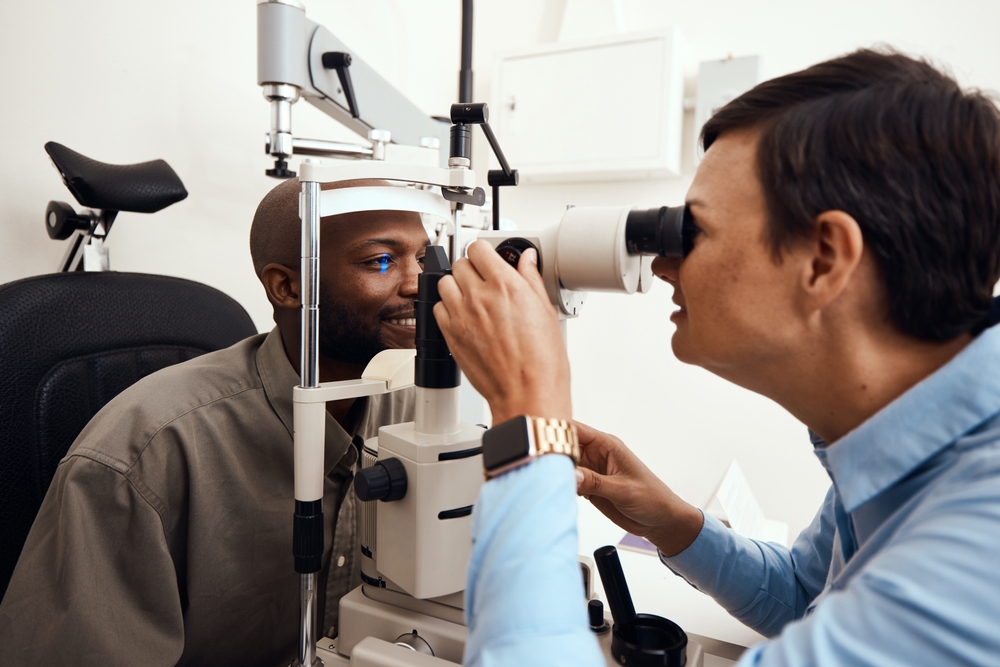
7 Tips for Traveling With Glaucoma
Posted by: Pepose Vision Institute in Glaucoma on June 5, 2026

Glaucoma doesn’t take a vacation, even when you do. For the many people living with this condition, daily eye drops, consistent schedules, and regular monitoring are part of life. Add a road trip, a flight, or a cross-country visit to the mix, and things can get complicated fast.
Travel with glaucoma is entirely manageable, though. A little advance planning goes a long way toward keeping your eyes healthy and your trip enjoyable. Here are seven practical tips to help you prepare.
1. Schedule a Pre-Trip Appointment
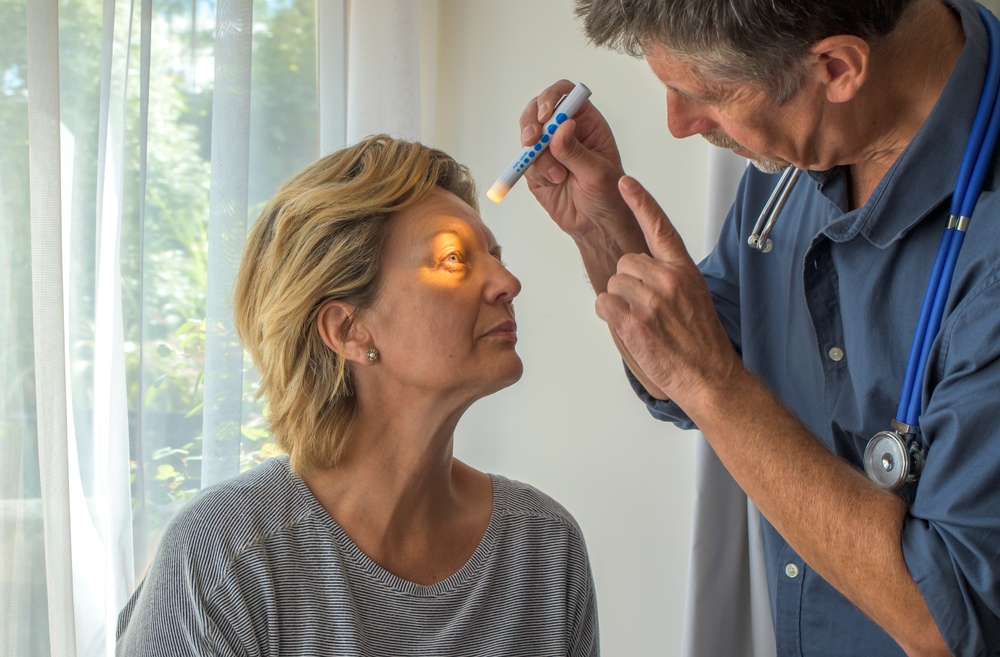
Before any significant travel, a visit with your eye care team is the single most valuable step you can take. A pre-trip appointment gives your doctor a chance to check your current eye pressure, confirm your glaucoma treatment is stable, and address any concerns specific to your destination or itinerary.
2. Pack Your Medications With Care
Always carry your eye drops in your carry-on bag, never in checked luggage. Checked bags can be delayed, lost, or exposed to extreme temperatures in cargo holds. Keeping drops in your carry-on means they stay accessible and protected throughout your journey.
It’s also important to bring more medication than you think you’ll need. Partially used bottles can run low unexpectedly, especially on longer trips or if travel plans shift. Packing a fresh backup bottle for each medication is a smart habit. Keeping drops in their original labeled prescription bottles helps avoid confusion at security.
3. Stick to Your Medication Schedule Across Time Zones
Timing matters with glaucoma drops. Skipping or delaying doses can affect eye pressure, which is exactly what your medication works to control. When crossing multiple time zones, maintaining your usual schedule gets tricky.
One practical approach is to keep a watch or phone clock set to your home time zone for the first day or two, continuing to take drops at your normal intervals. For longer stays, gradually shifting your dosing schedule to local time is worth discussing with your doctor before departure. Setting labeled alarms on your phone for each medication removes the guesswork. If day trips take you away from your hotel for hours at a time, keep your drops in your bag rather than leaving them behind.
4. Protect Your Eyes From Dry Cabin Air

Airplane cabins are notoriously dry, and that dryness can irritate eyes that are already sensitive from glaucoma medications. Packing a bottle of preservative-free lubricating drops alongside your glaucoma medications is a simple fix.
Use them freely during the flight to keep your eyes comfortable. Just be sure to space artificial tears at least 10 to 15 minutes apart from your prescription glaucoma drops, since using them too close together can wash the medication out before it has a chance to absorb.
Patients who already deal with significant dryness may benefit from exploring dry eye treatment options before their trip. Addressing that underlying issue ahead of travel can make a real difference in how your eyes feel throughout the journey.
5. Know the Facts About Flying and Eye Pressure
Many patients worry that flying will cause their eye pressure to spike. For most people with glaucoma who are on stable treatment, routine air travel does not produce a significant change in intraocular pressure. Airplane cabins are pressurized, so the dramatic pressure swings people often imagine don’t actually happen in the way they fear.
There is one important exception. If you’ve had recent eye surgery involving a gas bubble, such as certain retinal procedures, flying can be dangerous until that bubble has fully resolved. Changes in altitude can cause the gas to expand, which may seriously harm your vision. When in doubt, always check with your surgeon before booking a flight if you have eye conditions.
6. Be Careful With Allergy and Cold Medications
Over-the-counter allergy pills, decongestants, and many cold remedies contain antihistamines that can dilate the pupil. For most glaucoma patients, this isn’t a major concern.
However, people with a specific type called narrow-angle glaucoma, where the drainage channel inside the eye is anatomically tight, may be at risk for a sudden pressure spike if the pupil dilates too quickly.
If you’re unsure which type of glaucoma you have, or whether antihistamines could pose a risk for you personally, ask your doctor before your trip. A comprehensive eye exam at Pepose Vision Institute can clarify your diagnosis and help you understand which medications are safe to use while traveling.
7. Know When to Seek Care on the Road

Certain symptoms should never be brushed off as travel fatigue. Sudden eye pain, a significant change in vision, halos around lights, nausea paired with eye discomfort, or noticeable redness are all signs that warrant prompt attention. These can indicate an acute pressure event, particularly in patients with narrow-angle glaucoma, and waiting it out is not a safe option.
Before leaving home, it’s worth identifying an ophthalmology clinic or hospital near your destination, just in case. Many areas have urgent eye care services available. Keeping your prescription documentation and doctor’s contact information easily accessible makes it far easier to get help quickly if something comes up.
Whether you’re planning a weekend getaway or a longer trip abroad, the team at Pepose Vision Institute is here to help you travel with confidence.
Concerned about managing your glaucoma before your next trip? Schedule an appointment at Pepose Vision Institute in St. Louis, MO, and travel knowing your vision is in good hands.